
Tips for Creating a Relaxing Home Workspace to Boost Productivity
syminuo >> Productivity>>Workspace>> Tips for Creating a Relaxing Home Workspace to Boost Productivity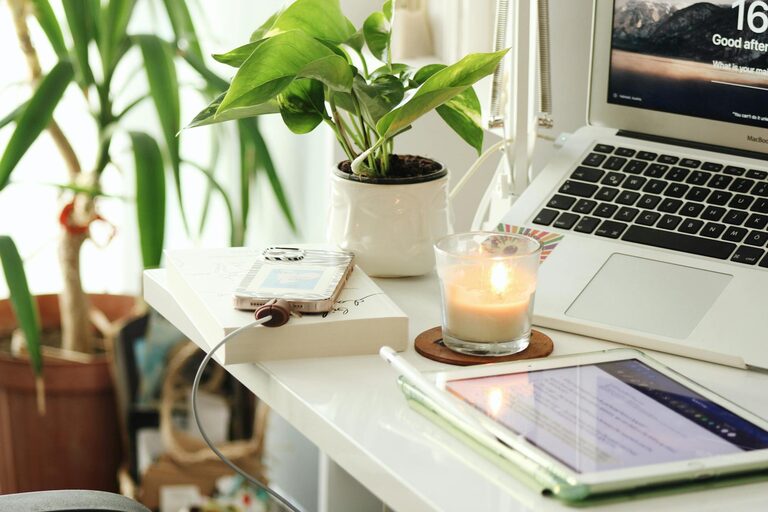
Tips for Creating a Relaxing Home Workspace to Boost Productivity
Creating a relaxing home workspace is essential for anyone looking to maintain focus and boost productivity, especially as more people work from home. A well-organized and soothing environment can help reduce stress, improve concentration, and make your workday feel more enjoyable. In this post, we’ll explore practical tips for designing a home workspace that promotes calm and efficiency.
Why a Relaxing Workspace Matters
A workspace isn’t just about a desk and chair; it influences how you feel and perform. When your environment feels cluttered, noisy, or uncomfortable, it can increase stress and reduce your ability to concentrate. Conversely, a peaceful and well-arranged workspace encourages a positive mindset, leading to better work outcomes and overall well-being.
Choose the Right Location
Find a Quiet Spot
If possible, select a quiet area in your home away from distractions like television or high-traffic zones. This helps minimize interruptions and create a sense of separation between work and home life.
Consider Natural Light
Natural light has been shown to boost mood and energy levels. Try setting up your desk near a window, but be mindful of glare on your computer screen. If natural light is limited, invest in soft, adjustable lighting to avoid eyestrain.
Invest in Comfortable Furniture
Ergonomic Chair
An ergonomic chair supports your posture during long work hours, reducing the risk of back pain. Look for chairs with adjustable height, lumbar support, and comfortable cushioning.
Functional Desk
Choose a desk that fits your available space and work needs. Ensure there’s enough room for your computer, supplies, and any other essentials without feeling cramped.
Keep Your Workspace Organized
Declutter Regularly
Clutter can create mental distractions. Take a few minutes at the end of each day to tidy your desk and put away unnecessary items.
Use Storage Solutions
Incorporate shelves, drawers, or organizers to keep documents, tools, and accessories neat and accessible. Labeling containers can make it easier to find items quickly.
Personalize Your Space
Add Calming Elements
Incorporate plants, artwork, or decor that makes you feel relaxed and inspired. Plants, for example, not only add a touch of nature but can also help improve air quality.
Use Soothing Colors
Colors affect mood. Soft blues, greens, and neutral tones tend to be calming, while brighter colors like yellow can stimulate creativity. Choose a color palette that suits your personality and promotes focus.
Minimize Noise and Distractions
Soundproof When Possible
If noise is an issue, consider using rugs, curtains, or acoustic panels to reduce sound. White noise machines or playing gentle background music can also help mask distractions.
Limit Digital Interruptions
Turn off non-work notifications and use apps that block distracting websites during work hours. Setting specific times to check emails and messages can help maintain focus.
Maintain Good Lighting and Air Quality
Layer Your Lighting
Use a combination of overhead lights, task lamps, and natural lighting to create a well-lit environment. Adjustable lighting lets you control brightness based on tasks or time of day.
Improve Air Circulation
Fresh air can increase alertness. Open windows when possible or use fans and air purifiers to keep your workspace comfortable and healthy.
Take Breaks and Move
Incorporate short breaks to stretch or walk around. Standing desks or adjustable workstations allow switching between sitting and standing, which can prevent fatigue and boost productivity.
Set Boundaries
When your workspace feels separated from living areas, it’s easier to switch off after work. Use room dividers or close doors to create a clear boundary. This helps maintain a work-life balance and reduces burnout.
Keep Technology User-Friendly
Make sure your computer, keyboard, and mouse are ergonomically placed to avoid strain. Use cable organizers to prevent tangling and create a cleaner appearance.
Final Thoughts
Designing a relaxing home workspace doesn’t require a complete room overhaul. Small changes like improving lighting, adding personal touches, and organizing your desk can make a big difference. By cultivating a calm and functional environment, you set yourself up for greater productivity and a more enjoyable work-from-home experience.
Take time to experiment with different setups and find what works best for you. A comfortable, inviting workspace might just be the key to unlocking your full potential each day.